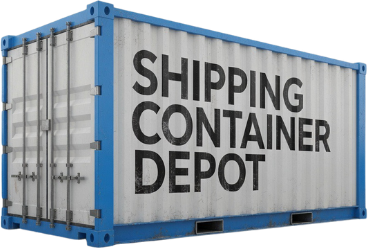

Whether you need a container for storage, a construction project, or a home conversion, finding a reliable seller is the first challenge. This guide covers every option — from national dealers to local yards — so you can buy with confidence.
Types of Shipping Container Sellers
Not all sellers are equal. Here’s how the main categories break down:
Local Container Dealers
Local dealers maintain a physical yard where you can inspect containers before buying. They typically offer delivery within a defined service area and can answer questions about specific units. This is the safest option for most buyers — you see exactly what you’re getting before any money changes hands.
If you’re in Southern California, Shipping Container Depot in Pasadena, CA is a local dealer serving the Greater Los Angeles area with delivery statewide.
National Container Brokers
National brokers like Container Alliance and ContainerOne aggregate inventory from depots across the country. They can source containers in areas where local dealers are limited, but you’re buying sight-unseen and relying on their grading descriptions.
Online Marketplaces
Sites like Craigslist, Facebook Marketplace, and eBay list containers from private sellers and smaller dealers. Prices can be lower, but quality and seller reliability vary significantly. Always arrange an in-person inspection before purchasing through these channels.
Shipping Lines and Leasing Companies
Major shipping lines (Maersk, MSC, COSCO) and leasing companies (Triton, Textainer) sell retired containers in bulk. These deals are typically available to businesses buying multiple units and aren’t practical for individual buyers.
Auction Sites
GovPlanet, IronPlanet, and PublicSurplus list containers from government and commercial fleet liquidations. Prices can be below market, but inventory is inconsistent and you usually need to arrange your own transport.
What to Look For in a Container Seller
Before you commit to a purchase, vet the seller on these points:
- Physical location — Legitimate dealers have a yard you can visit. If a seller is online-only with no address, that’s a red flag.
- Inspection policy — Can you see the container before paying? Reputable dealers always allow this.
- Grading transparency — Ask for the container’s grade (New/One-Trip, Grade A, Grade B, Grade C/WWT) and what that means for condition.
- Delivery capability — Do they have their own delivery trucks, or do they subcontract? Direct delivery is more reliable.
- Reviews and references — Check Google Reviews and ask for referrals from past customers.
New vs. Used Containers: Where to Buy Each
Where to Buy New (One-Trip) Containers
New containers, also called “one-trip” because they’ve made a single cargo voyage from the manufacturer, are the cleanest and most structurally sound option. They’re available through:
- Local dealers with direct manufacturer relationships
- National brokers who source from port depots
- Shipping line sales divisions
New 20ft containers currently run $3,500–$5,500 in California depending on availability and features like high-cube dimensions.
Where to Buy Used Containers
Used containers offer the best value for storage, modifications, and projects. Local dealers are the best source — they can show you the actual unit. For used 20ft containers and 40ft containers, expect to pay $1,500–$3,500 in Southern California depending on condition.
Buying a Shipping Container in California: What to Know
California has a few considerations that affect the container buying process:
- Permit requirements — Many California counties require a permit to place a container on residential property. Check with your local planning department before delivery.
- HOA restrictions — Some homeowners associations prohibit containers or require specific placement. Review your HOA rules.
- Foundation requirements — California soil conditions (especially clay soils in Southern California) may require a gravel pad or concrete blocks under the container.
- Delivery access — Tilt-bed trucks need approximately 60–80 feet of clear space. Confirm your site before scheduling delivery.
Local dealers familiar with California regulations — like Shipping Container Depot — can advise on these requirements as part of the buying process.
Online vs. In-Person: Which Is Better?
| Factor | Online Purchase | In-Person / Local Dealer |
|---|---|---|
| Price | Sometimes lower | Transparent, competitive |
| Inspection | Photos/descriptions only | See the actual container |
| Risk | Higher (condition surprises) | Lower |
| Delivery | Varies widely | Usually direct, reliable |
| Support | Limited post-sale | Ongoing relationship |
For most buyers, the small premium you pay at a local dealer is worth it for peace of mind and the ability to inspect the unit in person.
Questions to Ask Before You Buy
Whether you’re buying from a local dealer or an online broker, ask these questions before committing:
- What is the container’s grade, and what does that include/exclude?
- How old is the container, and how many shipping cycles has it completed?
- Is the floor original wood or replaced? Any soft spots or damage?
- Are all doors, hinges, and lockboxes functional?
- What is the delivery cost to my address, and what equipment is required?
- What is the return or dispute policy if the unit doesn’t match the description?
Where to Buy a Shipping Container Near Los Angeles
If you’re in the Greater Los Angeles area, Shipping Container Depot is a local dealer with inventory in Pasadena, CA. We offer:
- New and used 20ft and 40ft containers in stock
- Condition photos of your actual container before purchase
- Direct delivery with our own trucks throughout Southern California
- Statewide delivery available
- Competitive pricing with no hidden fees
Frequently Asked Questions
What is the best place to buy a shipping container?
For most buyers, a local dealer with a physical yard is the best option. You can inspect the container before buying, get direct delivery, and have someone to contact if issues arise. Online brokers work well if you’re in a remote area without local dealers nearby.
How do I avoid shipping container scams?
Only buy from sellers with a verifiable physical address. Never send a wire transfer or deposit without inspecting the container in person. Be skeptical of prices significantly below market — a working 20ft container for under $800 is almost certainly a scam.
Can I buy a shipping container directly from a shipping company?
Yes, shipping lines like Maersk and MSC sell retired containers, but typically in bulk quantities. For individual buyers, a local dealer or broker who sources from shipping lines is the practical route.
How long does it take to get a shipping container delivered?
Most local dealers can deliver within 1–5 business days once payment is confirmed. Availability affects timing — popular sizes like 20ft units in Grade B condition move quickly. For custom orders or specific specifications, allow 1–2 weeks.
Do I need a permit to place a shipping container on my property?
It depends on your county and how long you plan to keep it. Many California counties require a temporary use permit for containers left on residential property for more than 30 days. Check with your local planning or building department before delivery.
Free Quote · No Obligation
Ready for a real number?
Tell us the size you want and where it is going, and we will send you a delivered price.
"*" indicates required fields