
What Is a Shipping Container Pool?
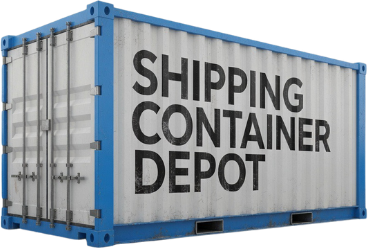
A shipping container pool is a swimming pool built inside a steel intermodal shipping container — the same boxes that move freight by sea and rail. The container becomes the structural shell; a waterproof liner or coating holds the water, and plumbing, a pump, and filtration get added like any other pool.
They’re trending for three reasons: they install faster than poured concrete, the steel shell is durable, and — done as a DIY or kit build — they can cost far less than a conventional pool. The catch is that the lowest advertised prices almost never include delivery, site work, decking, fencing, and permits. Below, we separate the container cost from the real all-in total.
How Much Does a Shipping Container Pool Cost?
A shipping container pool costs roughly $15,000 to $100,000, depending on size and how it’s installed (Angi, 2026). Most homeowners who hire out the full job land around $35,000 to $65,000 installed, with about $50,000 typical for a standard 8’x20′ model (HomeGuide).
Base container vs. fully installed
The container itself is the cheap part. A 20ft shipping container runs about $3,000–$5,000, and a 40ft runs about $3,500–$6,000 (Conexwest). Everything after that — liner, pump, plumbing, electrical, site prep, decking, fencing, and permits — is where the budget grows.
Some container dealers sell finished or semi-finished pool units far below the luxury brands: roughly $6,500–$16,500 (M-W Containers; Long Beach Off-coast Depot), versus $36,000+ for a turnkey brand like Modpools.
Cost comparison at a glance
| Path | Typical cost | What’s included |
|---|---|---|
| Raw container (20ft) | $3,000–$5,000 | The steel shell only |
| Raw container (40ft) | $3,500–$6,000 | The steel shell only |
| DIY build | Under $20,000 | Container + materials, your labor |
| Pool kit | $10,000–$30,000 | Pre-engineered conversion components |
| Dealer finished unit | $6,500–$16,500 | Semi-/finished pool from a container dealer |
| Fully installed (hired out) | $35,000–$65,000 | Pool + professional install |
| Realistic all-in total | $50,000–$85,000+ | Everything: delivery, crane, decking, fencing, electrical, plumbing, permits |
| Turnkey luxury brand | $36,000+ | Finished branded pool delivered |
The real all-in total (the honest part)
Here’s what most “starting at” prices leave out. Once you add delivery, crane placement, decking, fencing, electrical, plumbing, and permits, a fully finished container pool often lands between $50,000 and $85,000 or more (River Pools). That doesn’t mean a container pool is a bad deal — it still installs faster and can beat concrete on price — but you should budget for the total project, not the sticker on the container.
If you’re price-checking, the smartest move is to separate the two numbers: what the container costs (a known, modest figure) and what your install costs (which depends entirely on above-ground vs. in-ground and how much you DIY).
DIY vs. Kit vs. Turnkey: Three Paths
There are three honest ways to get a container pool, and they sit at very different price points.
DIY build. If you source the container and do the conversion work yourself, a build can come in under $20,000 (Boxhub). This is the cheapest route and the one most of our customers are weighing. It demands real work — cutting, waterproofing, plumbing, electrical — but it’s where container pools earn their budget reputation.
Kit. Pre-engineered kits run roughly $10,000–$30,000 (Boxhub). A kit hands you the engineered components for the conversion while you (or a local contractor) handle placement and hookups — a middle path between full DIY and turnkey.
Turnkey. Branded, finished pools delivered ready to fill start around $36,000+ for names like Modpools. You pay for convenience and a finished product. This is the end of the market we don’t compete in — and if a turnkey luxury pool is what you want, a brand maker is the right call.
For the first two paths, everything starts with buying the right container. That’s where we come in.
What Size Do You Need? 20ft vs. 40ft
Standard containers are 8 feet wide, with lengths typically running 20 to 40 feet. For small yards, plunge variants around 8’x12′ exist, and some makers offer 12-foot widths. The long, narrow shape suits lap swimming and exercise better than wide, social/entertaining layouts (River Pools) — worth knowing before you commit to a length.
Water volume scales with length, and gallons matter for both your pump sizing and (as you’ll see next) your permit:
| Container size | Approx. water volume | Best for |
|---|---|---|
| 20ft (8’x20′) | ~8,767 gallons | Smaller yards, plunge/cooldown, tighter budgets |
| 40ft (8’x40′) | ~17,841 gallons | Lap swimming, larger households |
Choosing the Right Container
This is the decision that makes or breaks a container pool, and it’s the one luxury-brand guides skip — because they don’t sell you the box. A pool conversion puts a steel container under constant water load and moisture, so the shell you start with matters.
Two things to get right:
Length = use case. Pick 20ft if you want a compact plunge or cooldown pool and the lower water volume (and easier permitting). Pick 40ft if you want room to swim laps. Remember the 8-foot width is fixed, so length is your main lever.
Condition of the shell. Start with a structurally sound, watertight container rather than a beat-up unit with rust or dents — you’re about to fill it with water and keep it full. A clean, wind- and watertight shell gives your liner or coating a sound surface and protects your build for the long run.
If you’re not sure which size or grade fits your project, that’s exactly the conversation to have before you buy. See our 20ft and 40ft shipping containers or get a quote and tell us it’s for a pool conversion — we’ll point you to the right starting shell.
Permits, Gallons & Regulations
This is the part most guides gloss over, and it can stall your project. A shipping container pool almost always needs a permit, and the cost varies widely — from about $200 to $1,200+ depending on where you live (Conexwest).
What triggers a permit is often a gallon threshold. For example, Nassau County, FL requires a permit for any pool over 5,000 gallons (Boxhub). Since a 20ft container holds about 8,767 gallons and a 40ft holds about 17,841 gallons, both sizes clear that threshold easily — meaning a permit would be required there regardless of which size you choose.
Before you buy anything, check your local building codes and your HOA rules. Thresholds, fence requirements, and setback rules differ by jurisdiction, and confirming them up front is far cheaper than discovering them after delivery.
Above-Ground vs. In-Ground vs. Hybrid
How you set the container determines a big chunk of your total cost and your timeline.
Above-ground is the simplest and fastest, with minimal site prep — often placed in roughly a single day. It’s the lowest-cost install path, but the exposed steel sits in open air.
In-ground requires excavation and a foundation and gives the traditional, built-in look. It takes longer (commonly 3–7 business days for placement and site work) and costs more, but the surrounding earth provides insulation that an above-ground pool doesn’t get — which can mean lower heating costs over time.
Partially in-ground / hybrid sets the container partway into the ground. It’s a strong choice for sloped yards and splits the difference between cost and the finished look.
Pros and Cons
A balanced look before you commit.
Pros
- Faster install than poured concrete — often a single day for an above-ground placement, 3–7 business days in-ground.
- Portable and relocatable if you move or re-landscape.
- Durable steel shell.
- Generally cheaper than a traditional in-ground pool.
Cons
- Steel plus water means rust risk over time, so coatings or a liner are essential and need maintenance.
- The narrow shape limits wide, social layouts.
- Above-ground installs miss the earth insulation in-ground pools get, so heating can cost more.
- Warranties are often shorter than fiberglass.
Shipping Container Pool vs. Traditional Pool
| Factor | Shipping container pool | Traditional / fiberglass pool |
|---|---|---|
| Install speed | Fast — 1 day (above-ground) to 3–7 business days (in-ground) | Weeks for concrete; faster for fiberglass |
| Cost | Cheaper than in-ground; DIY under $20k possible | Higher on average |
| Shape | Long and narrow — good for laps | Wide range of shapes |
| Portability | Relocatable | Permanent |
| Durability concern | Rust risk; needs coatings/liner | Fiberglass resists rust |
| Warranty | Often shorter | Often longer (fiberglass) |
The honest takeaway: a container pool wins on speed, portability, and budget — especially as a DIY or kit build — while traditional and fiberglass pools win on shape flexibility, long-term rust resistance, and warranty length (River Pools).
Frequently Asked Questions
How much does a shipping container pool cost? Roughly $15,000 to $100,000 depending on size and install, with about $35,000–$65,000 typical when you hire out the full job and ~$50,000 for a standard 8’x20′. A DIY build can come in under $20,000.
Can I build a shipping container pool myself? Yes. A DIY build can cost under $20,000, and pre-engineered kits run about $10,000–$30,000. Both start with buying a sound container; the rest is liner/coating, plumbing, a pump, electrical, and site prep.
What size container should I use? Containers are 8 ft wide, usually 20–40 ft long. A 20ft holds about 8,767 gallons (good for small yards and plunge use); a 40ft holds about 17,841 gallons (better for lap swimming).
Do I need a permit for a container pool? Almost always. Permit costs range from about $200 to $1,200+, and many areas trigger a permit by water volume — for example, Nassau County, FL requires one for pools over 5,000 gallons, which both 20ft and 40ft containers exceed. Always check local codes and your HOA.
Will a shipping container pool rust? Steel and water mean rust is a real risk over time, which is why a proper liner or coating is essential and needs upkeep. Starting with a sound, watertight container helps protect the build.
Above-ground or in-ground — which is better? Above-ground is cheapest and fastest with minimal site prep. In-ground costs more and takes longer but looks traditional and gains earth insulation that can lower heating costs. Hybrid installs suit sloped yards.
Get Started
A container pool is only as good as the box it starts with. Whether you’re planning a full DIY build or a kit conversion, the right container saves you money and headaches down the line. Get a quote and let us know it’s for a pool — we’ll help you pick the right 20ft or 40ft shell to start your project.
Free Quote · No Obligation
Ready for a real number?
Tell us the size you want and where it is going, and we will send you a delivered price.
"*" indicates required fields